
Is Sitges worth visiting? Sitges is a lovely seaside town, around 30 minutes south of Barcelona by train. It’s a great place for a day trip or a longer stay, and yes, Sitges is definitely worth visiting! While the beaches and relaxed vibe are what bring most visitors here, on a recent visit, I discovered that there is much more to Sitges than beaches! Here are a few reasons why Sitges is worth visiting, and why it is worth spending a few nights here to explore.
My trip to Sitges for the Harvest Festival was in partnership with Sitges Turisme, and I enjoyed a complimentary stay in Sitges to explore the town and enjoy the festival.
Why Visit Sitges?
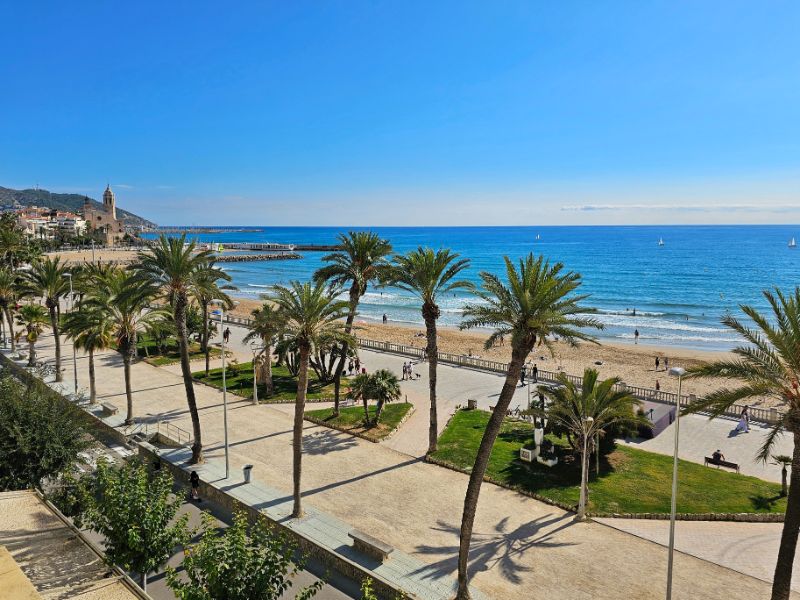
The Perfect Location on the Coast, close to Barcelona
Located just 35 minutes away from Barcelona by train, Sitges is an easy day trip or a great place to spend a few nights away from the busy city. Coming to Sitges always feels like I’m on holiday, with a small-town, friendly vibe – and right by the seaside!
If you like hiking there are lots of trails in the nearby Garraf Natural Park, and the Penedes wine region is close too, so if you like fresh air, wine, and beaches, Sitges is a perfect location to enjoy all of those.
While people often talk about Sitges as a day trip from Barcelona, you could also choose to base yourself in Sitges and take day trips to Barcelona instead! There are regular train services throughout the day until around 10-11pm (check the train times before you travel!) and return tickets cost just €10.10.

Beautiful Beaches
I know I said there is more to Sitges than beaches, but you can’t talk about visiting Sitges without mentioning them! Sitges has 18 beautiful beaches, ranging from family-friendly options to quieter, more secluded spots that locals love.
Sitges has a beach to suit everyone, you can find more details about all of the Sitges beaches on the Sitges Turisme website here, but these are the most popular ones for visitors as they are closer to the centre of town.
- Platja de la Ribera is the main beach, right by the town centre, and is great for families.
- Platja de Sant Sebastià has plenty of seafront restaurants, located near the Old Town.
- Platja de Balmins Beach is a nudist and clothing-optional beach, popular with locals
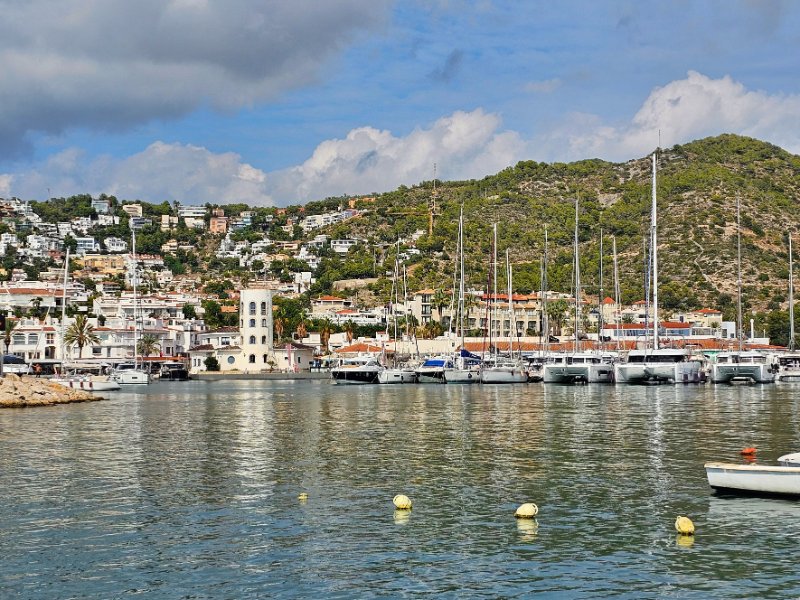
- Platja d’Aiguadolç on the far side of the marina is quieter and less crowded.
A Charming Old Town
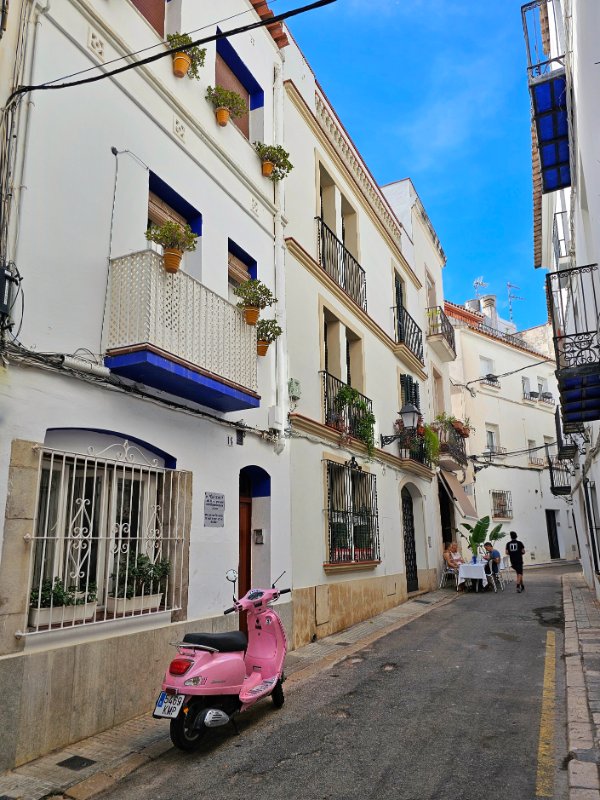
The picturesque Old Town of Sitges with its whitewashed buildings and cobblestones is a delight to explore. Wake up early to get the streets to yourself (Sitges is not a morning town!), and you’ll find plenty of beautiful places to enjoy.
Carrer d’en Bosc, Carrer de la Davallada and Carrer de Sant Joan are some of the prettiest streets in the old town, and the Palau de Maricel and Cau Ferrat and Maricel Museums are stunning.
In the Plaça de l’Ajuntament you’ll find the Town Hall, the Old Market of Sitges (now primarily used for hosting events and exhibitions) and the old fish market that is home to the Fundació Stämpfli, a modern art museum.
The Church of Sant Bartomeu and Santa Tecla is another iconic building in Sitges that you can see from all along the coast, proudly watching over the town. It’s only open during mass times so I haven’t seen inside yet – hopefully next time!

Architecture & Sculpture
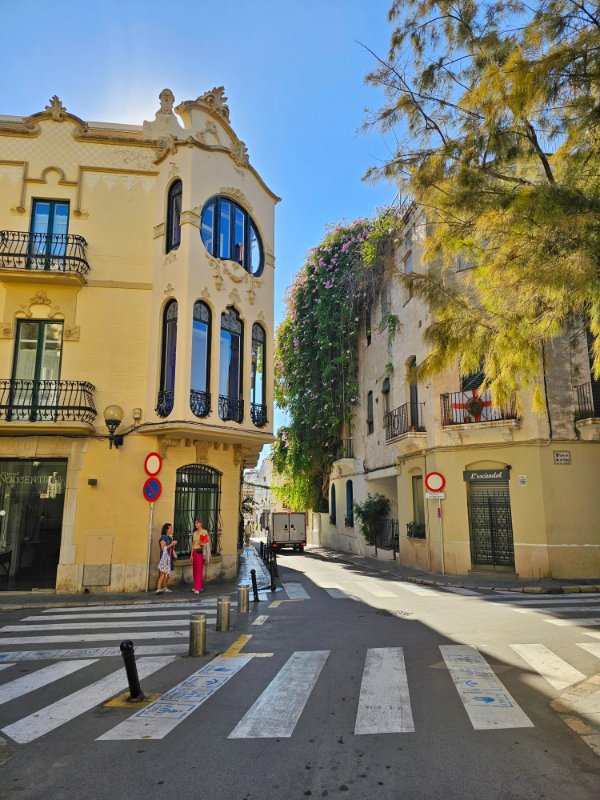
While Sitges is better known for its pretty old town, Modernism left its mark here too. There’s no famous architect’s work here like Gaudí’s buildings in Barcelona, but there are some interesting buildings that are worth looking out for.
Casa Pere Carreras i Robert on Carrer de Francesc Gumà (the street practically opposite the station) and nearby Casa Manuel Planas on the corner of Carrer de Sant Gaudenci and Carrer de l’Illa de Cuba date from the early 1900s and are both striking Modernist buildings.
Several hotels in that area used to be private homes in a variety of architectural styles, look out for Hotel Medium Romantic, Hotel El Xalet and Sitges Royal Rooms as you explore.
You can’t help but notice several sculptures around Sitges, from the mermaid near the church to the statues of Santiago Rusiñol and Ramon Casas. There is a sculpture trail that you can follow, or just look out for more as you walk around Sitges. The route is available to buy at the Tourist Office, see here for more information about the 42 different sculptures around Sitges.

Culture & Museums
Two excellent museums in Sitges are combined in one entry ticket (currently €12 standard adult entry), and are located next door to each other, and connected so you can move from one to the other.
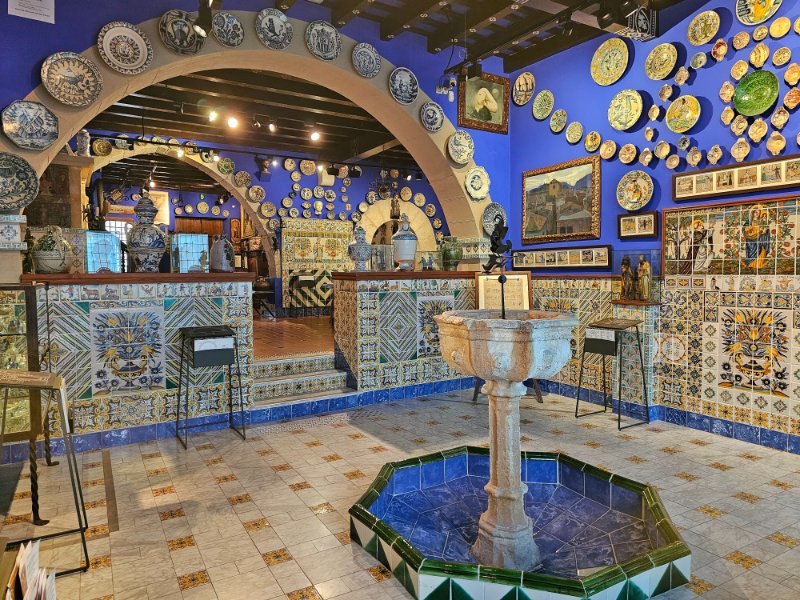
The first, Museu Cau Ferrat was once the home of artist Santiago Rusiñol, and showcases some of his vast collection of works in a beautiful building. As well as several of Rusiñol’s own works you can spot some works by Picasso and other modernist artists as well as a collection of wrought iron pieces displayed in the Great Hall.
Follow the route next door to the Museu de Maricel which has a stunning collection of art, sculpture and other items like a selection of Egyptian glass. There are some splendid paintings by local Catalan artists featuring scenes from around Sitges. Another highlight is the view of the Mediterranean sea from arched windows in one of the last rooms.
You could easily spend a couple of hours here, so don’t rush around.
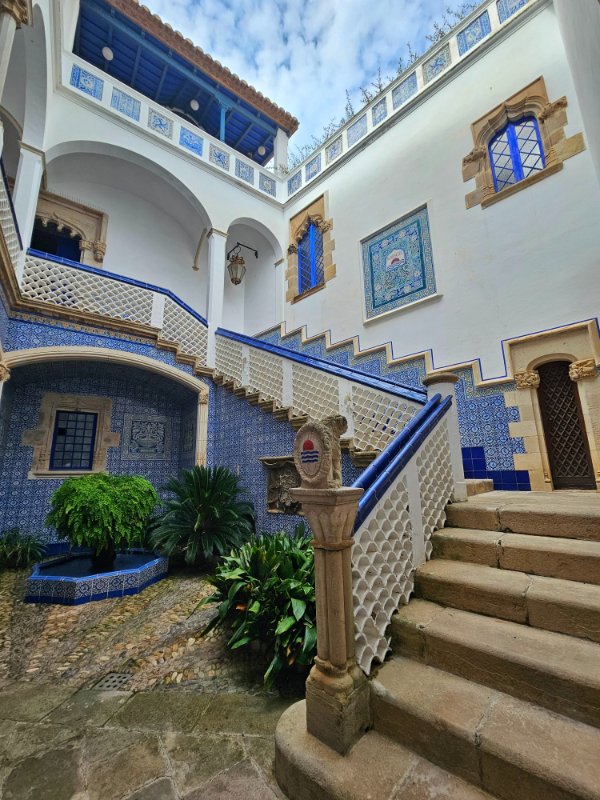
In addition to these museums which are open daily (expect Mondays), as part of my most recent trip to Sitges, I was especially excited to visit Palau Maricel, which was closed the last time I visited. It’s only open for guided tours on certain weekends, so if you’re lucky to visit when it’s open, make sure you book a tour.
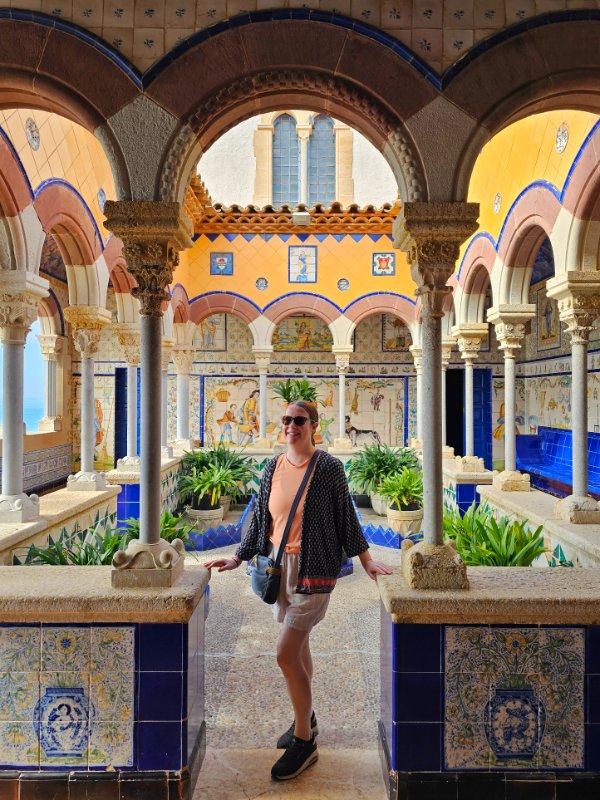
Palau Maricel was commissioned by American collector Charles Deering, who originally wanted to buy Santiago Rusiñol’s Cau Ferrat, but decided to build his own when Rusiñol refused to sell. It was built by adapting and combining several old buildings including fishermen’ houses and parts of the 14th century Hospital de Sant Joan, which resulted in an impressive, eclectic style.
I loved exploring the ornate rooms and terrace areas and couldn’t resist posing for several photos!
If you like modern art, check to see if the Fundació Stämpfli is open for one of its exhibitions, I haven’t been able to visit yet. Another unique museum not to miss is the Centre d’Interpretació de la Malvasia de Sitges – that deserves it’s own entry below!
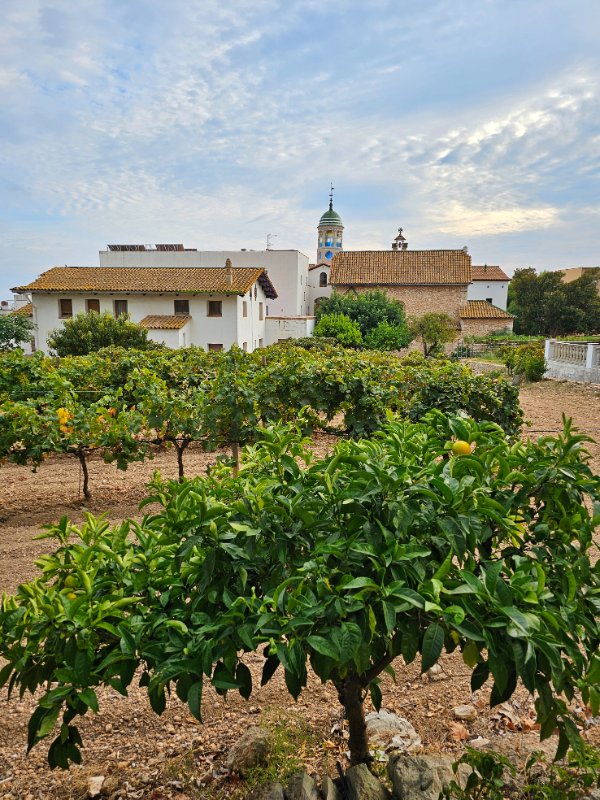
Taste Malvasia Wine at an Urban Vineyard
The Centre d’Interpretació de la Malvasia de Sitges, or CIM, is dedicated to preserving and sharing the story of Malvasia de Sitges, a sweet white wine that has been made in the town for centuries.
It is housed in historic buildings belonging to the old Hospital de Sant Joan Baptista, and the centre now maintains a small urban vineyard in Sitges and makes different wines from the grapes – not just the sweet wine, but sparkling and still white wines too.
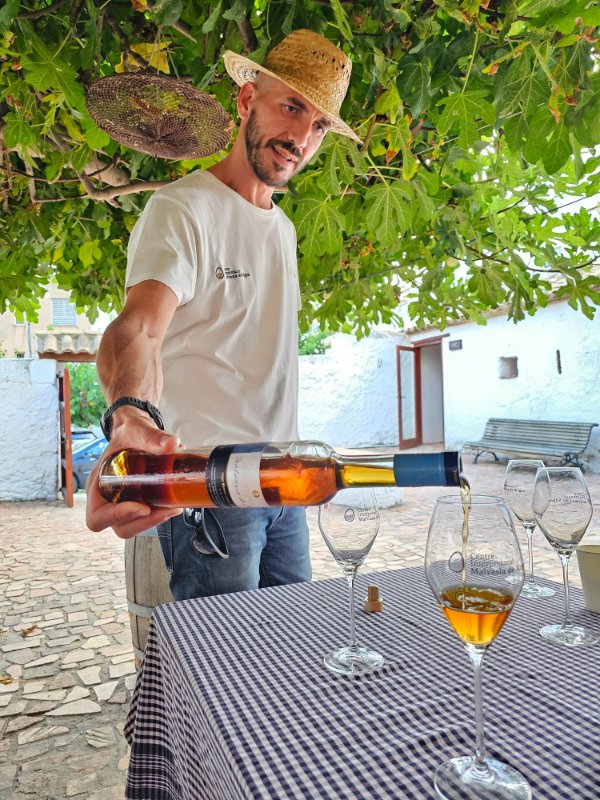
I visited the CIM and was amazed to find that the funds from the wine sales go into supporting the hospital, which is now a care home for the elderly. It is a fantastic project, and the tour including a visit to the vineyard and hospital chapel, and the small museum dedicated to Malvasia grapes and wine in the 18th-century wine cellar.
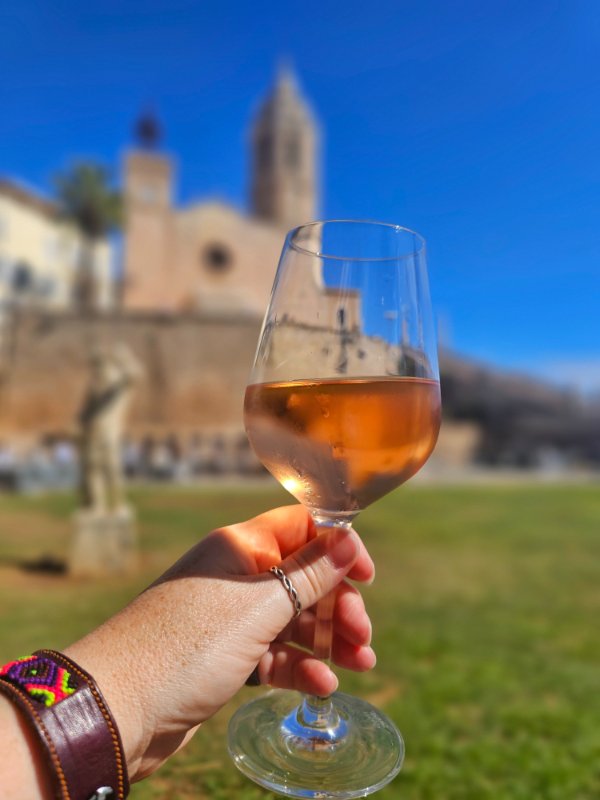
Although the wine is now made off-site, the visit also includes tastings of different Malvasia wines – my personal favourite was the ancestral sparkling wine which was fabulous! If you don’t have time for a full visit, you can visit the wine bar for a glass of wine or two.
Enjoy Delicious Food & Drink
As well as the unique Malvasia wine, Sitges has some incredible restaurants and a thriving food and drink scene, with a focus on fresh seafood and traditional Catalan cuisine. There are some surprisingly good beachfront restaurants (not just tourist traps) and excellent tapas bars, so you certainly won’t go hungry here!
Some of my favourite Sitges restaurants include:
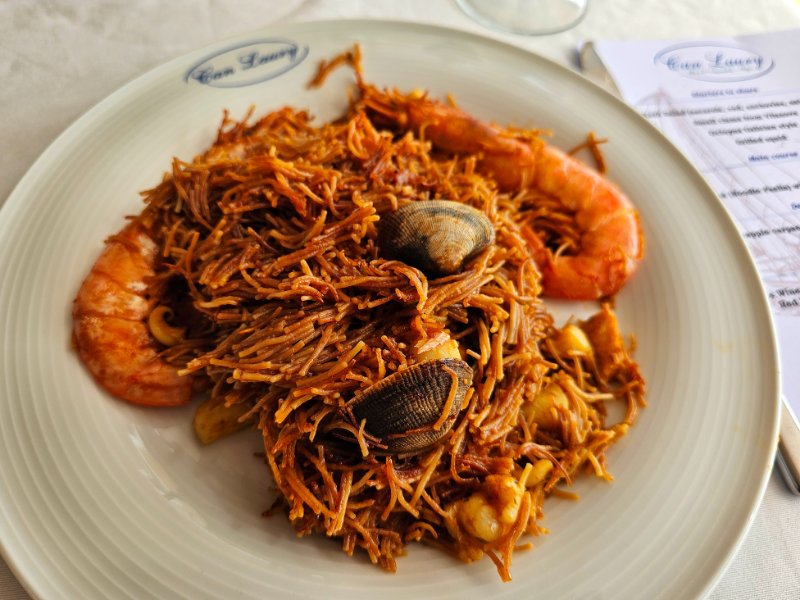
- Can Laury, is famous for its rice dishes like paella and fideua, and seafood dishes, on the port with waterfront views
- La Nansa, a traditional Catalan restaurant in the centre that is loved by locals
- Pic Nic, a beachfront restaurant with unbeatable views of the sea and excellent seafood and tapas
- El Cable for traditional tapas and unique house specialities, as well as wine and vermouth served from the barrel
If you prefer to have a guided tour, check out GetYourGuide for options.
In addition to all that, Sitges is also close to the Penedès wine region, known for producing excellent Cava and still wines, mainly from indigenous grape varieties like macabeu, xarel·lo and parellada. The Penedès is the first DO wine region in the world to use 100% organic grapes, so don’t miss a visit here!
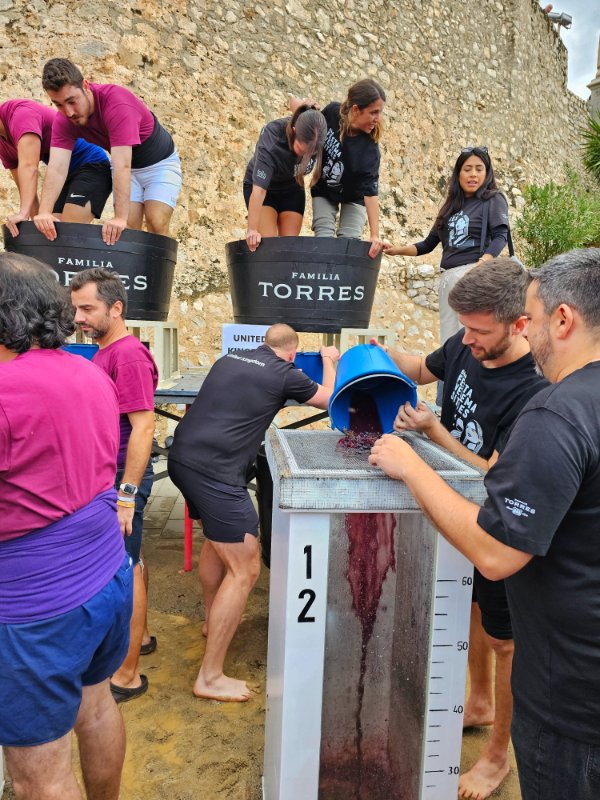
I was also in town for the annual harvest festival, which was a lot of fun. It takes place at the beginning of October and I had a great time tasting wines and watching the grape stomping contest!
There were also cultural activities like watching the weighing of the “Pubilla” and “Hereu”, a young woman and man who competed to earn the honour of representing Sitges as the symbolic heirs of the town. They were each awarded their own body weight in wine, and we watched the weighing on a set of giant scales, with bottles gradually added until they balanced.
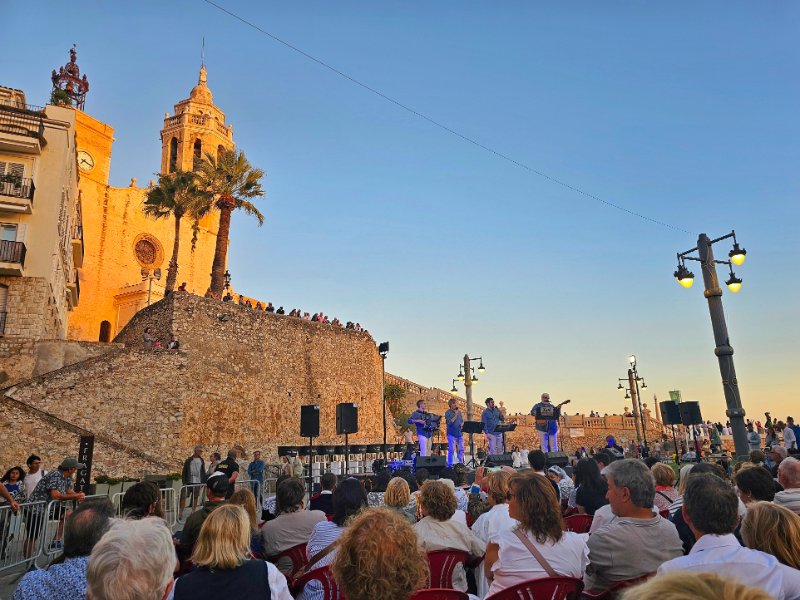
Later in the evening we watched a Havaneres performance by Grup Xató, with traditional songs from “Americanos” – people from Sitges who went to colonies like Cuba, Puerto Rico and the Philippines, and returned to Sitges after the countries’ independence. It was a really fun event which is all run by volunteers, so it’s a great to support local culture like this.
Festivals and Events
Speaking of festivals, wine isn’t the only thing worth celebrating in Sitges! The town hosts several world-famous festivals throughout the year, so take a look at the packed calendar of events to see when to plan your trip.
Sitges is likely to be busier during festival dates, and accommodation will be in high demand, so make sure you book your hotel in Sitges well in advance.
One of the largest Sitges festivals is the Sitges International Fantastic Film Festival, which takes place in October and attracts film lovers from all over the world for film, talks and activities, with stars, directors and a whole host of people in the film industry coming to celebrate the fantasy and horror genre. Famous faces due to attend in 2025 include Benedict Cumberbatch, Terry Gilliam, Luc Besson, Carmen Maura, Dominique Pinon and many more.
The festival is also known for its Zombie Walk on the first Saturday night of the festival, where hundreds of people dressed as zombies walk (or shuffle) through Sitges, in full make up and groaning like only zombies can! Read more about the festival.
Sitges Carnival is a colourful and lively celebration, as is Gay Pride thanks to Sitges’ LBGTQ+ residents and visitors who flock here to celebrate in one of Spain’s most LGBTQ+ friendly destinations.
Cultural events such as the Fiesta Mayor in August and Corpus Christi in May or June are more reasons to visit Sitges – it seems there is always something going on here!
LGBTQ+ Friendly Atmosphere
One of the reasons why Sitges celebrates Pride in grand style is because it is known for being very open and welcoming to the LGBTQ+ community with lively gay bars, clubs and cabaret & drag shows.
Sitges’ welcoming atmosphere has developed over decades, beginning in the late 19th and early 20th century, when artists and writers began settling here, drawn by the light, sea views, and creative energy.
Santiago Rusiñol was one of the best-known artists who made a home here (his house is now the Cau Ferrat Museum), and the town developed a reputation as a bohemian refuge, attracting free thinkers and non-conformists.
During the Franco dictatorship, when homosexuality was persecuted across Spain, Sitges’ small size and its distance from Madrid meant that it quietly became one of the few places where people could live with a bit more freedom and self-expression, especially compared to larger, more conservative cities.
Gay bars such as Bar Comodín and El Candil provided safe places for members of the gay community to meet, and from the 1960s onwards, Sitges became increasingly popular with gay visitors from Barcelona, France, and other parts of Europe.
By the 1980s and 1990s, Sitges had firmly established itself as one of the top gay destinations in Europe, and today, Sitges’ inclusive atmosphere is an important part of its identity.
The local community embraces diversity, and events like Sitges Pride, the International Bears Meeting, and various themed weekends throughout the year mean that visitors from all over the world come to Sitges, where they can feel welcome and safe to be themselves.
Relaxed Vibe
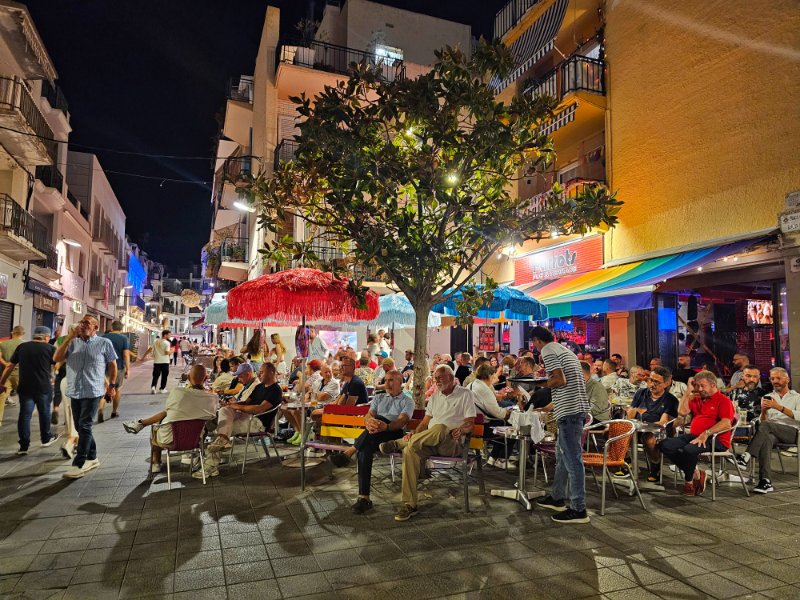
Unlike the busier beach resorts along the Costa Brava or Costa del Sol, Sitges offers a laid-back, chic vibe that I loved. While families do visit, I felt like Sitges was geared towards an older crowd, and it’s perfect for solo travellers, couples and friends looking for relaxation, chilled sunset cocktails and fun nights out.
It’s not the cheapest Mediterranean beach destination, so I didn’t see any of the lager lout style drinking culture of some other budget holiday resorts, and Sitges is a lovely place to spend a vacation.
Support Locally Owned Shops & Businesses
If you’re looking for big-name brands and high-street shopping, Sitges is not the place for you. While there are some high-street names, the best places to shop in Sitges are small boutiques and locally owned shops with unique styles.
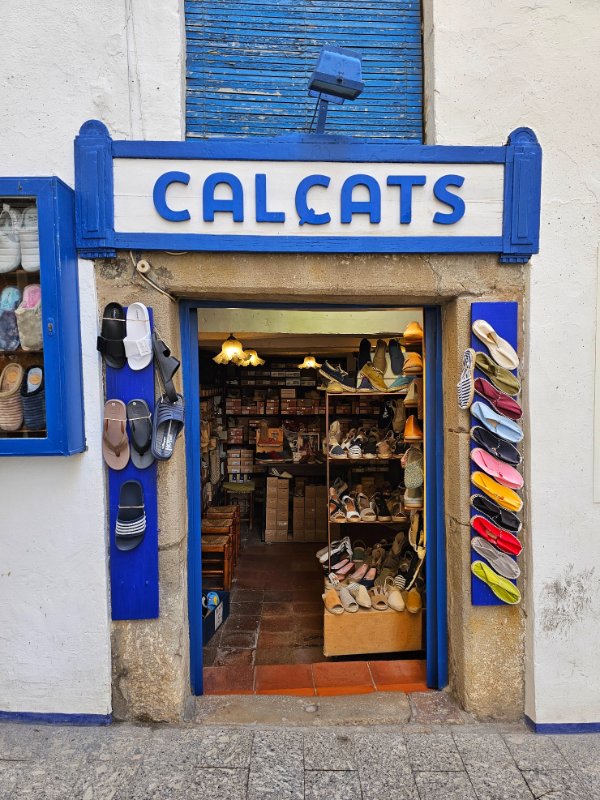
There are some traditional businesses like Calçats, selling espadrilles and other hand-made shoes, and some beautiful fashion and souvenir shops without a tacky magnet in sight! Carrer Major is a good place to start, then wander the nearby streets to see what takes your fancy.
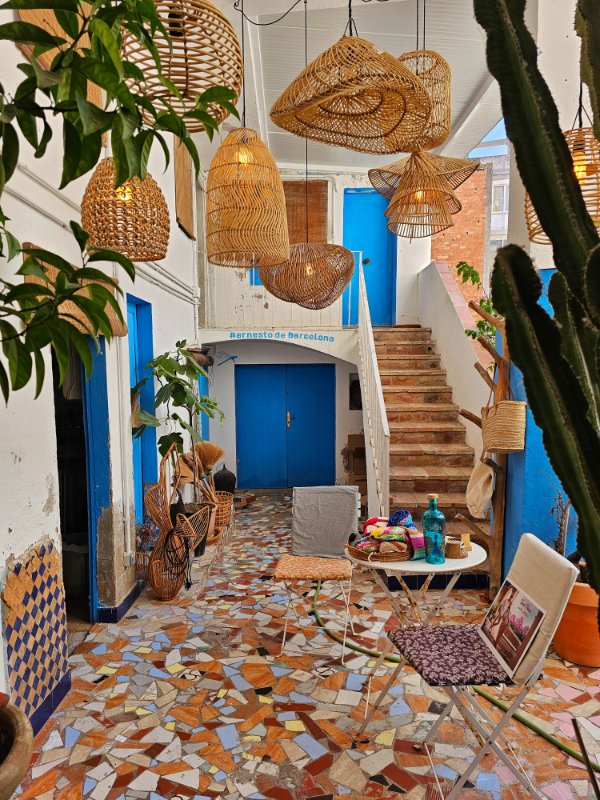
I didn’t have much time for shopping but popped in a couple of places to see what was on offer. Ernesto de Barcelona has some lovely clothes and accessories and a gorgeous little terrace at the back of the store.
Black Book is a nice spot for dresses, including flexible options that could be for beach wear or nighttime, and if you need some new glasses, pop into Il·lusió Optica for some unique frames, including local brand MR.BOHO.
What is Sitges Famous For?
So, to sum up, Sitges is famous for its cultural scene, beautiful beaches, and open-minded, welcoming atmosphere.
The artistic, bohemian flair of Sitges began with Santiago Rusinol, and continues to this day. The town has a long-standing reputation for LGBTQ+ friendliness, and it’s one of Europe’s most inclusive holiday destinations, with numerous gay bars, clubs, and beaches.
Sitges is also well known for its film festival, one of the world’s top fantasy and horror film events, which draws international celebrities every October. Its Carnival in February is one of Spain’s most flamboyant, with colourful parades and parties that attract visitors from around the world.
Beyond that, Sitges is loved for its beaches, and while that is just a fraction of what Sitges has to offer any one of these things makes Sitges worth visiting!
When is the Best Time to Visit Sitges?
The best time to visit Sitges depends on what you’re looking for. One of the things I love about Sitges is that it is a year-round destination, so think beyond the typical summer beach holiday.
Unlike some coastal towns, Sitges doesn’t close down over the winter, with shops, restaurants and other services staying open throughout the year so you can visit at any time and have a wonderful stay.
Sitges in Spring (April to June)
This is the best time to visit Sitges for sightseeing and mild weather. Spring generally has pleasant weather with temperatures ranging from 15°C to 25°C (59°F to 77°F), making it an ideal time to explore Sitges’ historic sites, beaches, and cultural attractions without the summer crowds.
The Easter and Corpus Christi celebrations and other local festivals are worth planning a trip around! June is also when Sitges celebrates its Pride Festival
Summer in Sitges (July to September)
Summer is peak season in Sitges, with hot weather and lively beaches. Temperatures range from 25°C to 30°C (77°F to 86°F), perfect for swimming and enjoying the many beaches. The nightlife is buzzing, and festivals like the Fiesta Mayor (August) bring exciting events and parties. However, expect higher prices and bigger crowds during this period.
Sitges in Autumn/Fall (September to November)
This is the best time to visit Sitges for fun events and cooler temperatures without the summer crowds. The Harvest Festival and Sitges International Fantastic Film Festival are highlights during this time. Temperatures are still comfortable, usually around 15°C to 22°C (59°F to 72°F), so you can still enjoy the beaches on sunny days.
Winter in Sitges (December to March)
Winter is the low season in Sitges, with cooler temperatures around 10°C to 15°C (50°F to 59°F). It’s quieter, with fewer tourists, and hotel prices are more affordable. Though sun bathing is unlikely, it’s still lovely to walk along the beach and enjoy the town’s cultural side. Sitges Carnival in February/March is one of the highlights of visiting Sitges in Winter.
The Best Days to Visit Sitges
Aside from the time of year to visit Sitges, choosing a day or days of the week to come can also have a major impact on your enjoyment. If you want fewer crowds, it’s best to come during the week, and avoid events like Carnival and the Sitges Film Festival.
Palau Maricel is only open for guided visits on some weekends (from 10am to 2pm), and not every weekend, so check the opening times before you book a trip. It is a stunning building, but if you can’t visit there are still plenty of other things to do in Sitges.
Mondays aren’t ideal as The Cau Ferrat Museum is closed on Mondays, and many restaurants are also closed on Monday and Tuesdays.
If you want to enjoy the nightlife, then the weekends are obviously busier and have more of a buzz, so you can have a great time in the bars and clubs and enjoy the beaches and the rest of the town the following day.

Is Sitges Safe?
Yes, Sitges is generally very safe, especially compared to many big cities. However, like any tourist destination there are things to watch out for. Pickpockets / petty theft are the main risk, especially in crowded areas like the beaches, promenades, and nightlife streets.
Nightlife can get rowdy; sometimes there are fights or disturbances in busy bar and club zones like “Sin Street” (Carrer Primer de Maig), although generally it is a fun and welcoming vibe.
During big events like Carnival and other festivals there is a much larger crowd, so the usual extra safety measures apply (keep an eye on your belongings, stay in well-lit areas, and be careful if you’re alone at night, especially after drinking). Authorities do plan extra policing during those times, but you can’t be too careful!
Car break-ins and theft from vehicles have been rising, so don’t leave valuables in the car or keep them out of sight.

Barcelona vs Sitges
If all this has made you want to spend more time in Sitges that’s wonderful! If you have enough time, a split stay between the two places can give you the best of both worlds! Spend a few days in Barcelona to see the sights, and then come to Sitges to relax and recharge afterwards.
However, if you only have time for one and can’t decide whether to stay in Barcelona or Sitges, here are a few points that could help you make up your mind…
Barcelona is a large city with a lot of people, and there are hundreds of things to do in Barcelona, so you will never be bored here! There is always something going on, from street performances to exhibitions, festivals, and nightlife – which is great if you love being busy, but it can be overwhelming at times!
It’s home to world-class museums, Gaudí’s magnificent architecture, diverse neighbourhoods, and hundreds of bars and restaurants. It’s ideal for people who like to keep busy and explore something new every day.
However, overtourism is having an effect on the city, and crowds can be an issue, especially during peak times.

Sitges has a much more relaxed atmosphere, with a slower pace of life and a friendly, small-town feel that makes it ideal if you are looking for a more relaxing break. There are still enough things to do in Sitges to keep you entertained, but without the pressure of rushing around.
Sitges still gets busy, especially in the summer, but usually feels more manageable and has more space to breathe! It’s a place to wander, relax, and enjoy the sea air, delicious food and cultural events instead of rushing between sights.
Barcelona tends to be more expensive overall, particularly for central accommodation and restaurants in busy tourist areas. While I wouldn’t say that Sitges is cheap, it can be more affordable, especially away from the beachfront or outside high season, although prices rise significantly during festivals or summer weekends.
Where to Stay in Sitges
If you decide to convert your day trip from Barcelona to Sitges into an overnight stay or weekend trip, I’ve stayed in some lovely hotels in Sitges to test them out for you!
$ Aldara Sitges
Perfect for solo travellers, this small, well-appointed hotel is in a great location just 5 minutes walk from the station. It could get a little noisy at the weekend as there are bars and restaurants and a cabaret show opposite, but the hotel is clean and cute, with a small pool on the roof terrace, and I had a lovely mid-week stay. ➡️Check rates and availability here

$$ Sabatic Sitges Hotel
Sabàtic Sitges Hotel, part of Marriott’s Autograph Collection, is a stylish and modern 4-star hotel just out of the town centre. The hotel has spacious suites with private terraces and sea views, with a relaxed style and classic decor and is around 10 minutes walk down to the beach (slightly more on the way back as you walk uphill).
There are two swimming pools – one of which is adults only – yoga and fitness classes, and regular events including live music and DJ sessions. There is free bike hire, with e-bike hire available at an extra cost. The hotel also has a free shuttle service to whisk you to the town, beach and train station. ➡️ Check rates and availability here
$$ Sercotel Kalma Sitges
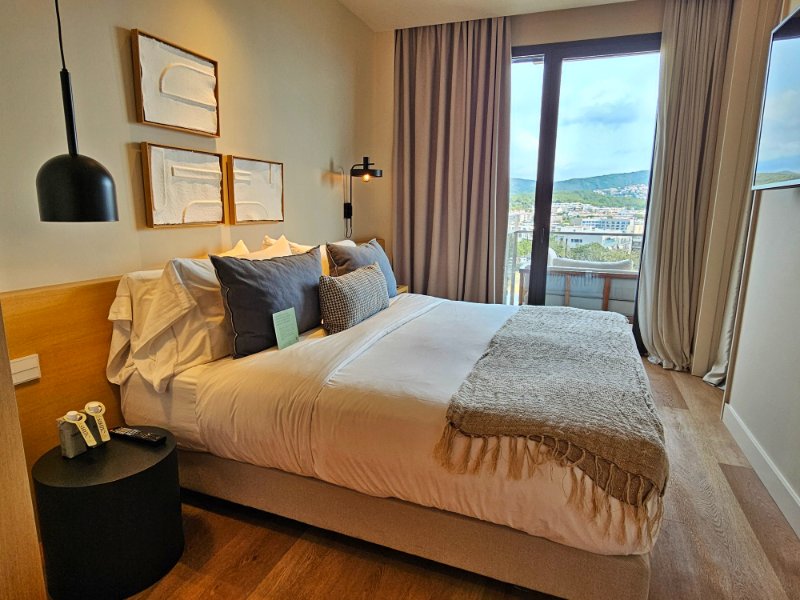
This seafront hotel has some of the best views in Sitges, both from the rooftop terrace and pool, and from some of the rooms. I booked a Superior Double Room with Balcony and Sea View and it certainly delivered! The location was fantastic, just a few minutes walk from bars and restaurants and the old town, and you couldn’t get any closer to the beach. ➡️Check rates and availability here
Other Hotels in Sitges You Might Like:
URH Sitges Playa
In another fantastic location on San Sebastian beach, the sea-view rooms have enviable views of the beach and sea. You’re a short walk from pretty much everywhere in Sitges, and there is an outdoor pool and restaurant on site. ➡️Check rates and availability here
Hotel El Xalet
Close to the train station, this unique hotel is housed in an impressive 19th-century building, with original features including mosaic floors and stunning stained glass windows. There is an outdoor pool and cocktail bar, and guests love the style and service of the hotel. ➡️Check rates and availability here
I hope this article has shown you that Sitges really is worth visiting, and that there are lots of things to do in Sitges to keep you busy for a day trip or a longer stay. If you only come for a day trip to Sitges from Barcelona, then I hope you enjoy it, but try to stay for longer if you can!
If you’d like to explore more of Catalonia, check out these other fabulous day trips from Barcelona.