
Planning a trip to Barcelona this January? Barcelona is a great choice for a winter vacation in Spain. In this post, I’ll share just why you should visit Barcelona in January, what to expect from January weather in Barcelona, what to wear, where to stay and the best things to do in Barcelona in January, as well as everything else you might need to enjoy your winter Barcelona trip!
Is January a Good Time to Visit Barcelona?
Barcelona is a great city to explore at almost any time of year, but visit Barcelona in January and you’ll find fewer crowds, cheaper prices and, more often than not, very pleasant weather! There are lots of winter Barcelona activities to enjoy, as well as the usual incredible things to do in Barcelona all year round.
Whatever you enjoy doing, you’ll find it in Barcelona – from sandy beaches to delicious food, incredible museums, stunning architecture and fabulous nightlife, Barcelona really does have it all. Whether you’re looking for a weekend city break in January, to do some shopping in the sales, or to enjoy New Year’s Eve in Barcelona you won’t be disappointed!
There is plenty to discover in the area around Barcelona too, and the region of Catalonia has much more to offer than just the city. You can take day trips from Barcelona to hit the ski slopes, or to visit the popular destinations of Montserrat, Girona and Sitges. You could also take a trip to Cava country for a wine tour or explore any number of smaller Catalan towns and villages near Barcelona.

Pros & Cons of Visiting Barcelona in January
Pros of a January Barcelona Trip
Fewer Crowds: January is an off-peak month, meaning you’ll encounter fewer crowds of tourists. While Barcelona is never quiet, you should be able to explore Barcelona’s attractions with more peace and tranquility.
Budget-Friendly: Travelling in the low season often means lower prices for accommodation and attractions as well as cheap flights to Barcelona, so you can save money on your trip – or spend more on fun things to do in Barcelona instead of high hotel prices!
Mild Weather: Although it is winter in Europe in January, Barcelona enjoys a relatively mild climate compared to many other European cities. It’s not bitterly cold, like other destinations, and you won’t spend your time sweating like you would if you came to Barcelona in August!
Responsible Travel: Visiting any destination in the off-season helps local businesses and the community avoid overtourism in peak times, and you will put less pressure on local resources that are already in high demand over the summer. ➡️Read more about overtourism in Barcelona & how you can help when visiting.
Cons of Visiting Barcelona in January
Chilly Evenings: Even though it’s usually mild during the day, evenings can get quite chilly. Be prepared for cooler temperatures, especially if you plan to be out at night, and bring layers to keep you warm when the sun goes down.
Limited Festivals: Barcelona’s festival scene is quieter in January compared to the summer months. If you were hoping to experience buzzing street festivals in Barcelona, you will find fewer options in January, although the Kings Parade is a highlight of the month!
Shorter Daylight Hours: Days are shorter in winter, which means less daylight for sightseeing. Plan your activities accordingly to make the most of your time and check opening times in advance to make sure you don’t miss out.

Weather in Barcelona in January
The weather in January in Barcelona is generally very pleasant. The low altitude and proximity to the Mediterranean sea mean that Barcelona has much milder temperatures than other Spanish cities, such as Madrid or Granada, for example.
While it does rain occasionally (an average of 3 or 4 days each month for December, January and February), blue skies are the norm, and nothing cheers me up more than a crisp, sunny winter morning!
Barcelona winter temperatures average 12-14°C during the day, sometimes warmer, then drop to around 6°C at night. Once the sun goes down, you will notice the temperature drops quickly – especially if there is a breeze coming off the sea.
Snow in Barcelona is very rare, but it does happen occasionally. If you plan to visit more of Catalonia or head up to the mountains for skiing near Barcelona, you can expect snow there, but not often in the city.
What to Wear in Barcelona in January
Here are some tips for what to bring and what to wear in Barcelona in January, or you can check out my full Barcelona packing list here:
Layers of Clothing
While January weather in Barcelona is pretty mild, you will still be glad of layers – especially once the sun goes down. Depending on the temperature during the day you could get away with warm tights and skirts or trousers such as jeans, with a sweater and a jacket.
I always pack gloves, a scarf and a hat for colder days and nights, and waterproof jacket is a good idea for the occasional rainy days, or at least a decent umbrella! I love my Travel Scarf with a hidden pocket, perfect for keeping valuables out of reach of pickpockets.
Swimwear
Don’t forget to bring a swimsuit, either for a swim in your hotel pool or to treat yourself to a spa session. You might even be brave enough for a dip in the sea on New Year’s Day!
Sun Protection
Even in winter, it is still wise to pack items to protect your skin from the sun – winter sun can still burn – so bring sunglasses and sunscreen with a high SPF.
Comfortable Footwear
Chances are you’ll spend a lot of your time walking around Barcelona, so pack comfortable shoes like lightweight sneakers and a pair of boots for evenings out. Make sure to have a pair of shoes suitable for walking on uneven surfaces like cobblestones, which don’t mix well with stilettos!
Unless you plan on going out to very fancy places, high-heeled shoes aren’t necessary; a simple pair of boots (with a small heel or flat) will be enough for most restaurants and bars. In general, Barcelona is quite a casual city, at least in my experience! If you’re here over New Year and plan to go out and celebrate, check the dress code in case something more formal is needed.
Slippers / Thick Socks
It might seem like an odd inclusion to your Barcelona packing list, but I would also suggest bringing some slippers or warm socks for when you are back at your accommodation. Because it gets so hot in the summer in Barcelona, many hotels and apartments don’t have carpet, and during the winter the tiles are cold to walk on, so if you have space, bring some slippers too!
Travel Essentials
Don’t forget essential travel essentials like a theft-proof backpack for carrying your belongings, a reusable water bottle to stay hydrated and reduce plastic waste, a portable power bank and a universal adapter to charge your electronic devices.
eSIM for Spain
Before you travel to Spain, check if your phone contract includes roaming in Spain, and if you have any data allowance to use while you are travelling. To avoid excess charges for roaming data use, an eSIM is a cheap and useful way to make sure you stay connected, as long as your phone is eSIM compatible.
Airalo eSIMs are super easy to set up and Airalo sends you email notifications when your eSIM is about to expire so you can top up easily if needed. Their eSIMs for Spain start from $4.50 for 1GB of data which lasts for 7 days.
Travel Documents
Remember to bring your passport, travel insurance, identification, and any other necessary documents. Additionally, have a copy of your hotel reservations, emergency contact numbers, and a map or guidebook for navigating the city.
Top Travel Tips for Visiting Barcelona in January
- Pack layers to take off and put on as the temperature changes throughout the day.
- Make sure you protect yourself from the sun, which can still burn, even in winter.
- Bring a refillable water bottle to top up at water fountains around the city.
- If the weather is poor, make the most of indoor attractions and museums in Barcelona to keep warm and dry.
- Check the opening hours of attractions, shops and restaurants to make sure they are open when you want to visit, and plan your days to make the most of the daylight hours.
New Year in Barcelona
New Year’s Eve is a big party night in Barcelona. Firework displays are common, with the biggest being held at Avinguda Maria Cristina by Placa d’Espanya. The event is free to attend, but you usually get better views from balconies and terraces in that part of town instead of mixed in with the crowds on the streets.
Pretty much any apartment or hotel with a view of the city will give you a great experience of the fireworks on New Year’s Eve – this year I was on a terrace close to La Sagrada Familia, and we could watch displays right across Barcelona.
One thing you must do in Barcelona on New Year’s Eve is to eat grapes. This Spanish tradition involves listening for the clock chimes at midnight and eating a grape for every chime. It is more difficult than it sounds – make sure you have grapes without seeds as that can cause serious problems! You can buy a pack of 12 grapes ready for you to eat if you like which is easier to eat, although it is definitely a waste of plastic!

What to do in Barcelona in January
The best thing about visiting Barcelona in the winter is that you can pretty much do anything you would do at any other time of the year – just with an extra jacket! Because the weather in Barcelona stays pretty mild most of the year, and you get plenty of sunshine in January, there are very few activities that are off-limits.
If you visit Barcelona for New Year and in the first week of January you will still get to enjoy the Christmas decorations and the festival of Los Reyes (Kings Day), although the rest of the month is considerably quieter.
Book in Advance for Barcelona’s Top Attractions
While January is quieter than peak times over the summer, I would still recommend booking tickets for the top Barcelona attractions in advance to guarantee you can visit at your preferred time.
I use GetYourGuide to book entry tickets and tours in Barcelona, some attractions I recommend booking in advance include:
- Sagrada Familia Entry Ticket
- Park Guell Admission Ticket
- Casa Batlló Tickets
- La Pedrera Tickets
- Casa Vicens Tickets
I use GetYourGuide to book tours and tickets as I love how you can choose from a variety of options to find the best for you, comparing prices and reading reviews.
Using GetYourGuide means you also get immediate confirmation once you’ve booked which is perfect for last-minute plans, and (in most cases) when you book in advance you can cancel up to 24 hours before the activity in case your plans change.
See the Christmas Lights
Colourful Christmas lights appear all around Barcelona at the end of November and light up the streets until they’re taken down after Kings Day on January 6th.
La Rambla is a place for a stroll any time of year (just watch your belongings carefully as pickpockets can be a problem here), but it is even more beautiful with the decorations. The shopping street of Portal de l’Angel is decorated, as is Via Laietana.
Starting at Plaça Catalunya, the walk up Passeig de Gràcia is another wonderful place to see the Christmas decorations in Barcelona, wandering up the wide avenue past some of Gaudí’s most iconic buildings – Casa Batlló and La Pedrera.

Shop at the Christmas Markets
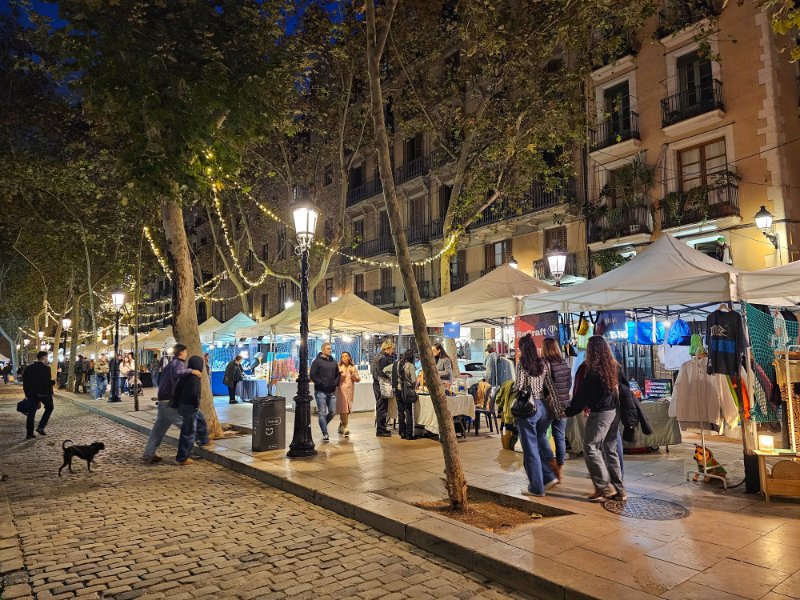
While most of the Barcelona Christmas Markets close at the end of December, there are a few that continue into the first week of January.
There are craft stalls where local artisans sell their wares such as handmade jewellery, leather goods and woodwork, as well as traditional Christmas stalls selling nativity sets, and caganers. It’s the best place to find souvenirs from Barcelona in winter.
The Three Kings Fair runs until 6th January, on Gran Vía in between Comte Urgell and Calabria streets. The fair was first held in Barcelona in 1877 and has a long history of providing excellent quality stalls and gifts.
The Fira de Nadal al Port del Moll de la Fusta in Port Vell also runs until 6th January, and includes attractions like a ferris wheel and ice-skating rink for the kids to enjoy, along with stalls selling gifts and food.
New Year’s Day Swim
Not for the faint of heart, a Barcelona January tradition is going for a swim in the sea at San Sebastian beach on New Year’s Day. It’s called the “Primer Bany de l’Any” or First Swim of the Year, and could be a great way to wash away any alcohol from the night before!
The water will be cold though, so make sure you are prepared and have warm dry clothing and towel to dry yourself when you get out! I’d also recommend a waterproof pouch to keep your phone and keys safe and dry, don’t leave them on the beach.
If you register (and pay a small fee to charity) in advance with the swimming club Club Natació Atlètic you can get a certificate and use their facilities to change and have a hot drink to warm up after the swim!
Even if you don’t want to take part, head down to the beach to cheer on the brave swimmers and watch the spectacle.
Watch the Three Kings Parade
The Three Kings Parade, known as “La Cabalgata de Reyes,” in Barcelona is a delightful event that takes place on the evening of January 5th, just one day before the Feast of Epiphany. The Kings arrive in Barcelona by boat, docking at Port Vell, then parade through the streets.
The parade features elaborately decorated floats, dancers and other performers, and includes three large floats each carrying one of the Three Wise Men, Balthasar, Melchior, and Gaspar, who represent the biblical characters who brought gifts to the baby Jesus. They throw sweets and small gifts into the crowd as they pass by.
Spectators line the streets along the parade route, which typically winds through the city centre, starting at Ciutadela Park. The exact route is announced just before the event, and it is a popular event so expect crowds! Locals often bring step-ladders so they can get a better view of the parade.
The event is entirely free to attend, which is great news if you’re visiting Barcelona on a budget. You can join the crowd, enjoy the spectacle, and even catch some of the candies thrown by the Kings if you’re lucky!

Attend a Calçotada
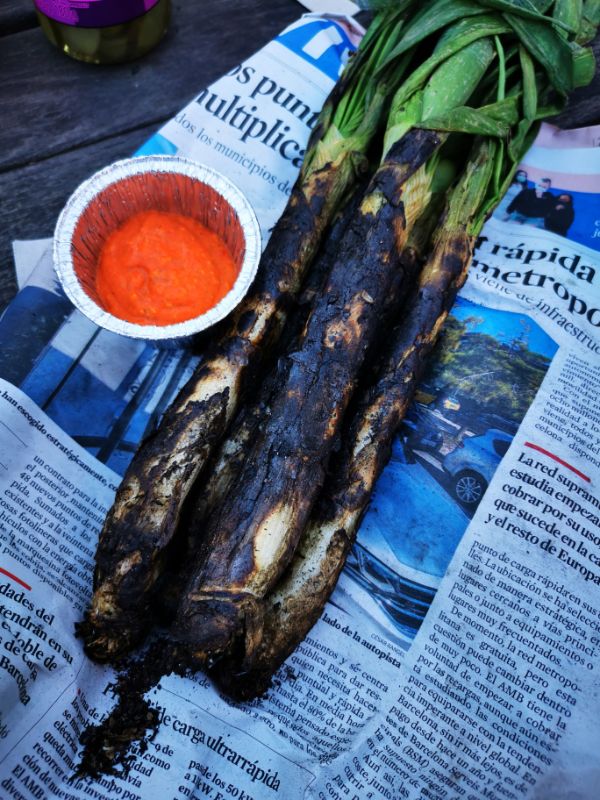
A Calçotada is a special foodie experience to enjoy in late January, February and early spring. Calçots are a Catalan delicacy and are basically a cross between a leek and a spring onion. The long, thick onions are grilled over an open flame until black, then wrapped in newspaper to cook through until soft.
The result is a delicately flavoured vegetable which, once separated from the charred outer layer, is dipped in thick romesco sauce and devoured. It’s hard to describe the joy you can get from pulling a sweet onion from its blackened shell and dangling it over your mouth. YUM!
Calçots are best enjoyed as part of a larger barbecue, with botifarra sausage and white beans as a traditional main course, usually accompanied with copious amounts of red wine (or cava in my case)! During calçot season you can find community Calçotadas to attend, or many restaurants have them on the menu, which isn’t as much fun but is still a great opportunity to try them.
Alternatively, buy some calçots at a local market and barbecue them yourself. We went to a fabulous winery in Sant Sadurni which provides the barbecue and wood for the fire, and a bottle of cava per person for €12 per person. Bring your own calçots and other BBQ food to cook, and you’ll have a great time!
Watch a Traditional Barcelona Festival in January
There aren’t many festivals in Barcelona in January, aside from the first week with New Year’s Day and Los Reyes on the 5th and 6th January. However, if you visit Barcelona a little later in the month on 17th January, you could catch a unique festival to celebrate Sant Antoni, the patron saint of animals.
The Festa dels Tres Tombs, which translates to the “Festival of the Three Turns,” is a parade held on the Saturday following the Feast of St Anthony (17th January). It has a lively procession of horses, carriages, and various domestic animals, all beautifully adorned with colourful ribbons and flowers.
The parade goes through the streets of Sant Antoni, and along Ronda de Sant Pau where the animals are blessed in front of the Escola Pia de Sant Antoni. A similar event takes place in the Sant Andreu neighbourhood, with the blessings at Plaça d’Orfila.
In Gràcia, they celebrate Sant Antoni in a different way, with traditions from Majorca brought to Barcelona. The Sant Antoni bonfire festival includes exhibitions of popular culture from Mallorca including groups of big-headed figures, pipers, casteller human-towersand a correfoc fire run in the street, where devils dance with fireworks.
Visit Camp Nou – The Home of FC Barcelona
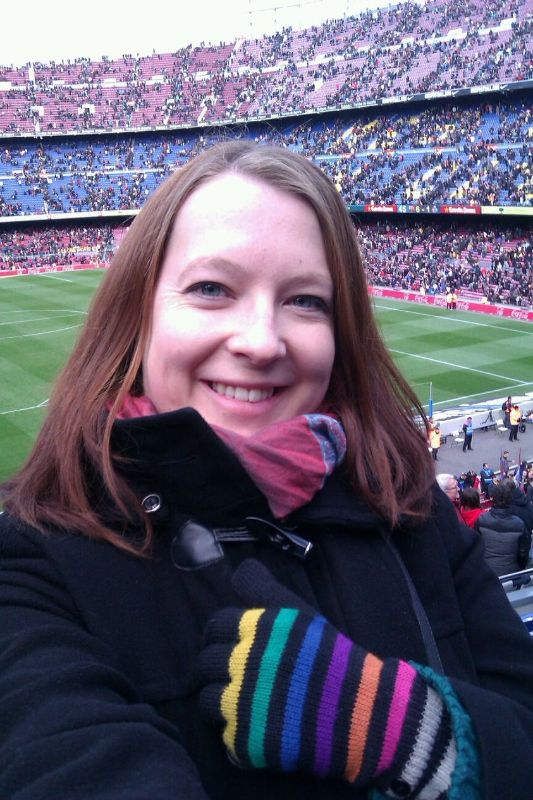
For football fans, there is no discussion – Camp Nou is the top thing to do in Barcelona. The FC Barcelona Museum is Europe’s most visited museum, and Camp Nou is the largest stadium in Europe and the fourth largest in the world, with a seating capacity of 99,354.

PLANNING TO VISIT CAMP NOU?
Camp Nou is currently undergoing construction work so the stadium tours are not running but the FC Barcelona museum is open, with an option to view the stadium from a Construction Viewpoint. Barça were playing their home games at Lluís Companys Olympic Stadium while the major work was going on, and they have now returned to Camp Nou Stadium, although with limited seating until the works are completed. Tickets for matches are available here which shows you the venue where matches are played, and you can book a museum visit here.If you’re lucky you can get tickets to see Barça in action at one of their home matches, which take place every other weekend during the football season, including January. While Camp Nou is undergoing renovations, home matches take place at Lluís Companys Olympic Stadium.
It can get cold on the stands so wrap up warm! Check fixture dates and buy tickets to see a match on the official FC Barcelona website here.
If you don’t manage to watch a match, a visit to the FC Barcelona museum is one of the most popular things to do in Barcelona. The visit includes:
- Immerse yourself in Barça’s history and feel the field’s magic firsthand
- Be captivated by the 360º audiovisuals at Camp Nou
- Engage with the legends through interactive showcases
- Get an exclusive glimpse into the future home of FC Barcelona at Espai Barça
Walk Along the Beach
While it isn’t usually sunbathing weather, walking along the beach in Barcelona in January is always a joy, especially on a crisp sunny day. The summer chiringuito beach bars are closed, but there are still some beachfront restaurants open where you can grab a bite to eat or a drink as you gaze out into the big blue.
Alternatively, stroll along the sand and sit on one of the many benches to admire the view. One of my favourite places to get away from the hustle and bustle is along the Moll del Gregal opposite the two towers at Vila Olímpica del Poblenou, or next to the W Hotel at Barceloneta.
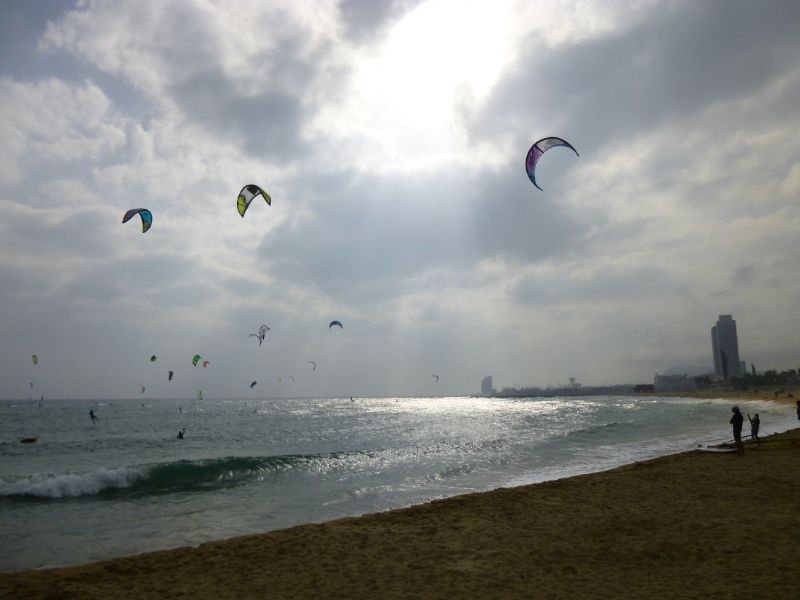
On a windy day there are often kite surfers making the most of the waves, in particular around the watersports area at Mar Bella beach.
Get Great Views of Barcelona
With Barcelona’s enviable position between el mar y la montanya (the mountain and the sea) there are plenty of opportunities to see the city from above. Park Güell has some splendid views from the terrace, as does the public park in the hills above Park Güell.
Another favourite with locals and tourists is the view from the Bunkers at El Carmel, what remains of civil war anti-aircraft bunkers on the hill above the city. Winter is a great time to take advantage of late sunrises so you could come up here and get a fabulous view as the sun comes up.
If you fancy hiking in Barcelona, Serra de Collserola Natural Park is crisscrossed with footpaths, so you could hike up there or to Tibidabo for even more impressive views of the city. Cooler Barcelona temperatures in January make hiking much more pleasurable than in the scorching summer heat, so it’s a perfect time to stretch your legs on a clear day.

The Best Things to Do in Barcelona All Year Round
Visit the Museums in Barcelona
There are some incredible museums in Barcelona that are great to visit all year round – thanks to air conditioning in the summer, and heating in the winter!
If the weather gets too cold or too wet to be outdoors, take your pick of the top Barcelona museums, including the Picasso Museum, the MNAC National Art Museum of Catalonia, the MUHBA History Museum, the Maritime Museum and plenty more besides.

Barcelona Money Saving Tip
If you plan to visit several museums, then check out the Barcelona Card which includes free entry to over 25 museums and attractions including the Picasso Museum, the National Art Museum of Catalonia (MNAC) and the Museum of the History of Barcelona, as well as free access to public transport. >>> Get More info here
If you get to the MNAC quite late in the day you can also enjoy the experience of seeing the fountains in front of the museum at night. The Magic Fountain show is one of the most popular things to do in Barcelona, and well worth a look.

Admire Some of Gaudí’s Masterpiece Works
You can’t come to Barcelona and not see some of Gaudí’s works, even if you don’t plan to visit them you will come across them somewhere! However, it is definitely worth making a deliberate choice to see some of his designs as they are unlike any other architecture you will see.
La Sagrada Familia Cathedral is Barcelona’s most famous landmark and the emblem of the city. It is still unfinished some 140 years after construction began, and is probably the most famous building site in history!
Even just viewing this magnificent cathedral from the outside is an experience, but I’d highly recommend paying to go inside La Sagrada Familia to truly appreciate this incredible place as it is one of the best things to do in Barcelona at any time of year.
Visiting Barcelona in January means there will be fewer crowds and queues to contend with, but I would still recommend buying your tickets in advance to guarantee your preferred entry time. I’d also recommend taking a guided tour as you will learn a lot more about Gaudí and his designs, and have as much time as you like after the tour to wander around.
Gaudí was heavily influenced by nature in his designs, and you can see evidence of that in La Sagrada Familia, from carvings of animals and fruit on the towers to the interior columns reaching to the ceiling and branching out like trees. The sun shines in through stained glass windows, casting colourful patterns wherever the light falls. It is no less than spectacular.
You could also pay a visit to La Pedrera (Casa Mila), Casa Batlló, Casa Vicens and Palau Güell, all of which are houses designed by Gaudí, and which have indoor and outdoor areas to explore.
My other personal favourite is Park Güell, originally designed to be a kind of housing estate, it is now a park with a magical mosaic dragon, fairytale style buildings and a mosaic terrace with fabulous views of the city, best enjoyed on a dry day, so check the Barcelona weather forecast to avoid rain if you can!

Eat the Delicious Food
For me, one of the best ways to experience a city is through its food. And Barcelona has some delicious food waiting for you to try! As well as eating all the tapas you can find, why not take a food tour to guide you around the best places to eat in Barcelona?
Alternatively, if you like to be more hands-on, then a paella cooking class could be just what you need, where you learn to make traditional Spanish food and then enjoy eating it!
Chocolate and churros deserve a special mention, in addition to the rest of the food in Barcelona, which are best enjoyed in cold weather. There is nothing better than dipping a long donut into a delicious cup of thick hot chocolate to warm you up, trust me!
There are various cafes and churrerías dotted around Barcelona, but my personal favourite is Granja Dulcinea on Carrer Petrixol, close to the Santa Maria del Pi church.

Go Bar Hopping
There is plenty of nightlife in Barcelona to enjoy, but my favourite pastime in the evenings is to choose one of the neighbourhoods in Barcelona to hit up for a bar and tapas crawl. Barcelona is filled with cozy little bars to warm up on a cold January evening!
For Basque-style pinchos (tasty snacks) that cost €1 or €2, head to Carrer del Blai in Poble Sec. The whole street is full of bars where you can have a few pinchos and a glass of wine or beer, then move on to the next.
Gracia is a great place for gin bars and fancy cocktails as you stroll around the streets and plaças. Try El Ciclista, Bobby Gin or Elephanta for cocktails, or La Vermu and El Vinil for a vermouth and snacks.
The Gothic Quarter and El Born are also favourite areas of mine for the evening, where you can find everything from hard rock bars to kitsch and cute places with excellent cocktails.
Take a Day Trip from Barcelona
January is also a great time to explore more of Catalonia on a day trip from Barcelona. While it’s not the best time to explore the beaches and hidden coves of the Costa Brava, a visit to the Monastery at Montserrat, the medieval city of Girona or wine tasting in the Penedes is fabulous at any time.
If you’re into winter sports, you could also head to the mountains and ski resorts near Barcelona. La Molina, La Masella and Port del Comte ski resorts are only 2 hours by car or train from Barcelona and would make fantastic day trips.
Barcelona is one of the few places in the world where you could be on the beach in the morning, and skiing in the afternoon, so January is a great time to take advantage of that and hit the slopes!

Where to Stay in Barcelona in January
There is no bad place to stay during January in Barcelona! Book your accommodation as far in advance as you can, and if you’re not 100% sure of your travel plans then choose somewhere with free cancellation to give you some flexibility.
Eixample
If you’re coming to Barcelona to go shopping in the January Sales then Eixample is a great place to stay. This is where you’ll find high-end boutiques and designer stores, especially on the iconic Passeig de Gracia. It’s also not too far away from the Old Town where there are more independent stores.
Eixample is also home to the Sagrada Familia, and there is nothing like waking up to a view of this magnificent cathedral.
The Best Place to Stay in Eixample Near Passeig de Gracia
- Ohla Eixample is a chic boutique hotel located in Barcelona’s Eixample District, just a 10-minute walk from La Pedrera and Casa Batlló. It features a year-round rooftop pool with city views, a gym and a Michelin-starred restaurant serving traditional dishes from the Ebro Region. The hotel also has a Lobby Bar and a Sky Bar. Breakfast is included in the room rate and includes local products as well as international favourites. >>>CHECK PRICES & AVAILABILITY
The Best Place to Stay Near La Sagrada Familia
- Sercotel Hotel Rossello is one of the only hotels in Barcelona with a view of La Sagrada Familia, but make sure you book a superior room with a “Landmark View” as not all rooms overlook the basilica. There is also a rooftop terrace with a bar and panoramic views of Barcelona, including the Sagrada Familia, where you can enjoy a drink and some tapas or just gaze at the cathedral. >>>CHECK PRICES AND AVAILABILITY
BROWSE MORE HOTELS IN EIXAMPLE

The Gothic Quarter & El Born
These two neighbouring districts are my favourite areas to wander around and enjoy the Old Town of Barcelona. They are both easy to explore on foot, and you are close to many of the city’s top attractions such as La Rambla, the Gothic Cathedral, El Palau de la Música Catalana and the Picasso Museum.
It can be horrendously busy in summer, so January is the perfect time to stay here and enjoy the relative peace and quiet!
The Best Places to Stay in the Gothic Quarter
- The 5* Mercer Hotel has modern chic décor which blends beautifully with original beamed ceilings and exposed brick walls. There is an interior courtyard where you can have breakfast beneath orange trees, and a rooftop pool and terrace with a bar. Guests love the helpful staff, comfortable beds and the location. >>>CHECK PRICES & AVAILABILITY
- The H10 Madison hotel has stunning views of the Gothic Cathedral from the rooftop terrace which also has a plunge pool. The hotel is in a restored early 20th-century building with elegant architecture and high ceilings. It gets rave reviews for the friendly staff and excellent location – book a Classic Catedral Room to get views of the Cathedral from your window. >>>CHECK PRICES & AVAILABILITY
BROWSE MORE HOTELS IN THE GOTHIC QUARTER
- K+K Hotel Picasso El Born is on Passeig Picasso, opposite Ciutadella Park, and has stylish rooms with contemporary décor and air-conditioning, some of which have balconies and views of the city and park. There is a rooftop terrace with a swimming pool, a café, and a lobby bar that customises unique cocktails as well as a restaurant on site. >>>CHECK PRICES & AVAILABILITY
- chic&basic Habana Hoose is a great value hotel close to the Santa Maria del Mar Cathedral in El Born. It has funky décor which blends Scottish and Cuban influences, which sounds weird but it works! All rooms have air-con and private bathrooms, there is breakfast available in the morning and a restaurant serving Catalan and Italian cuisine. >>>CHECK PRICES & AVAILABILITY
Final Thoughts on Visiting Barcelona in January
I hope this has convinced you to travel to Barcelona in January, and while it might not be beach weather there are still plenty of things to keep you busy. Do you have more suggestions for awesome things to do in January in Barcelona? I’d love to hear them, this is just a taster of all the January Barcelona activities you could do!
Want to Know More About the Best Time to Visit Barcelona?
Check out these articles for more inspiration for when to visit Barcelona: